Open 24/7, Monday to Sunday(274) 215-4162
Helena Dumpster RentalDumpster Rental Appleton, WI
Dumpster Rental Appleton, WI

Local dumpster service

Dumpster Rental Appleton, WI

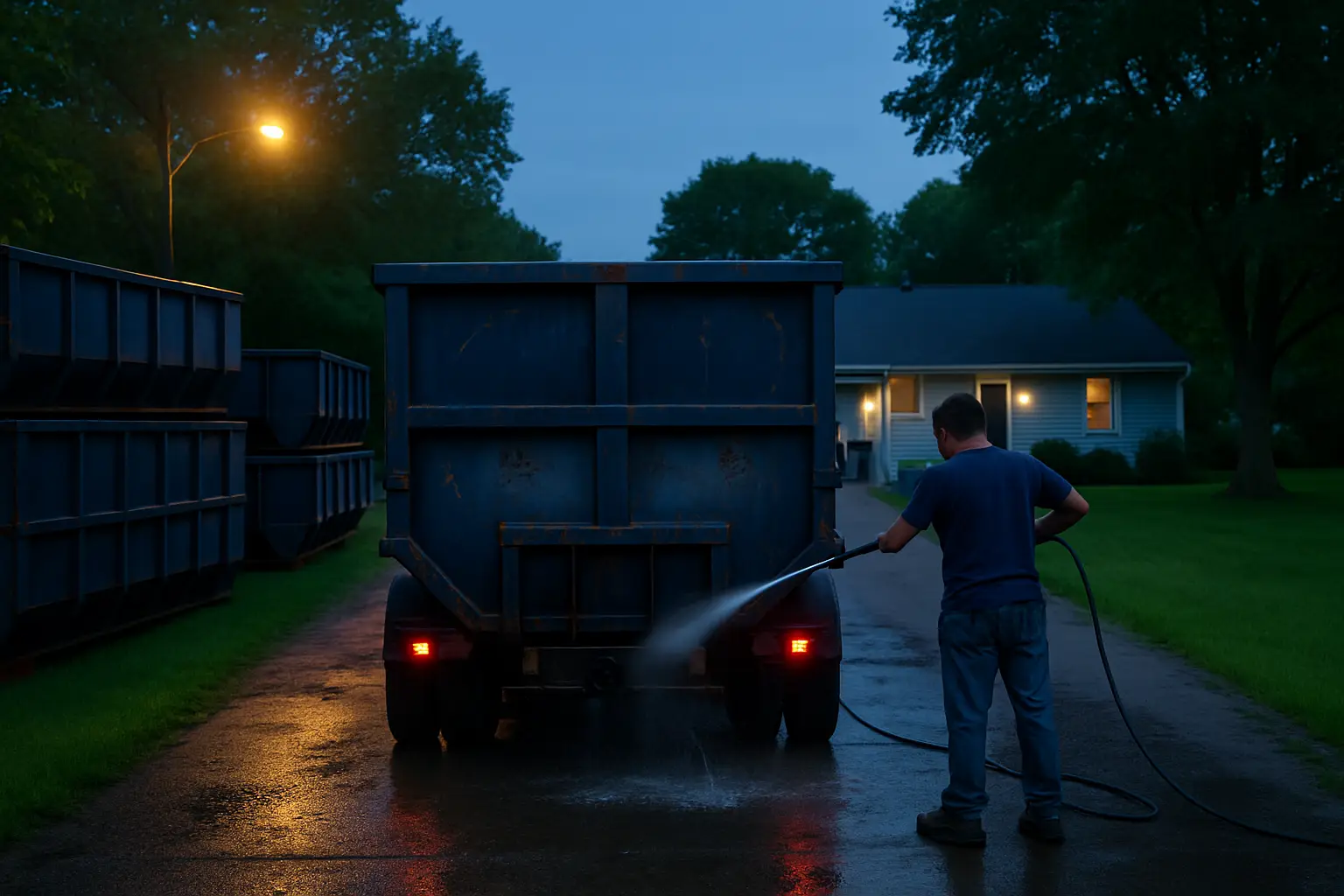
Helena Dumpster Rental confirms container placement before delivery, with scheduled checks recorded for each job.

Dumpster Rental Appleton, WI gives Helena Dumpster Rental customers a practical way to manage renovation debris, cleanouts, roofing material, and yard waste. We help choose the container size, check access before dispatch, and coordinate placement around Appleton driveways, alleys, garages, and active work areas.

  • Licensed, bonded and insured
  • 24/7, Monday to Sunday
  • Placement checked before delivery
  • Serving Outagamie County

Appleton service

Dumpster rental decisions start with the job

Helena Dumpster Rental handles residential, commercial, renovation, and construction debris throughout Appleton. That does not mean every project needs the largest container. A bathroom tear-out may fit a smaller unit, while a multi-room remodel needs room for cabinets, flooring, drywall, and framing scraps. We discuss what is being removed, how heavy it is, where the container can sit, and whether the truck can reach that location without crossing soft ground or striking overhead obstacles. The goal is a container that works with the property, not one that creates a second problem.

Appleton properties vary from older homes with narrow driveways to newer subdivisions with tighter setbacks and limited side access. Winter frost, spring saturation, and snowbanks can change the safest placement even when a driveway looks clear. Helena Dumpster Rental uses pre-delivery photo confirmation and scheduled placement checks for every container, so the planned position is considered before the truck arrives. Availability is 24/7, Monday to Sunday, and the conversation stays focused on the material, access, timing, and site conditions that affect the job.
Project options

Appleton dumpsters for cleanouts and construction

The best container is determined by the material and the room it occupies, not by choosing the biggest option automatically. These common job types help narrow the discussion before placement is planned.

  • House Cleanout Dumpsters

    House cleanouts often combine furniture, boxes, household materials, and miscellaneous debris. We help separate unusually heavy items or restricted materials before choosing a container. For older Appleton homes, tell us about stairs, narrow driveways, detached garages, and alley access so placement and loading can be planned realistically.

    Whole-home cleanup
  • Garage and Basement Cleanouts

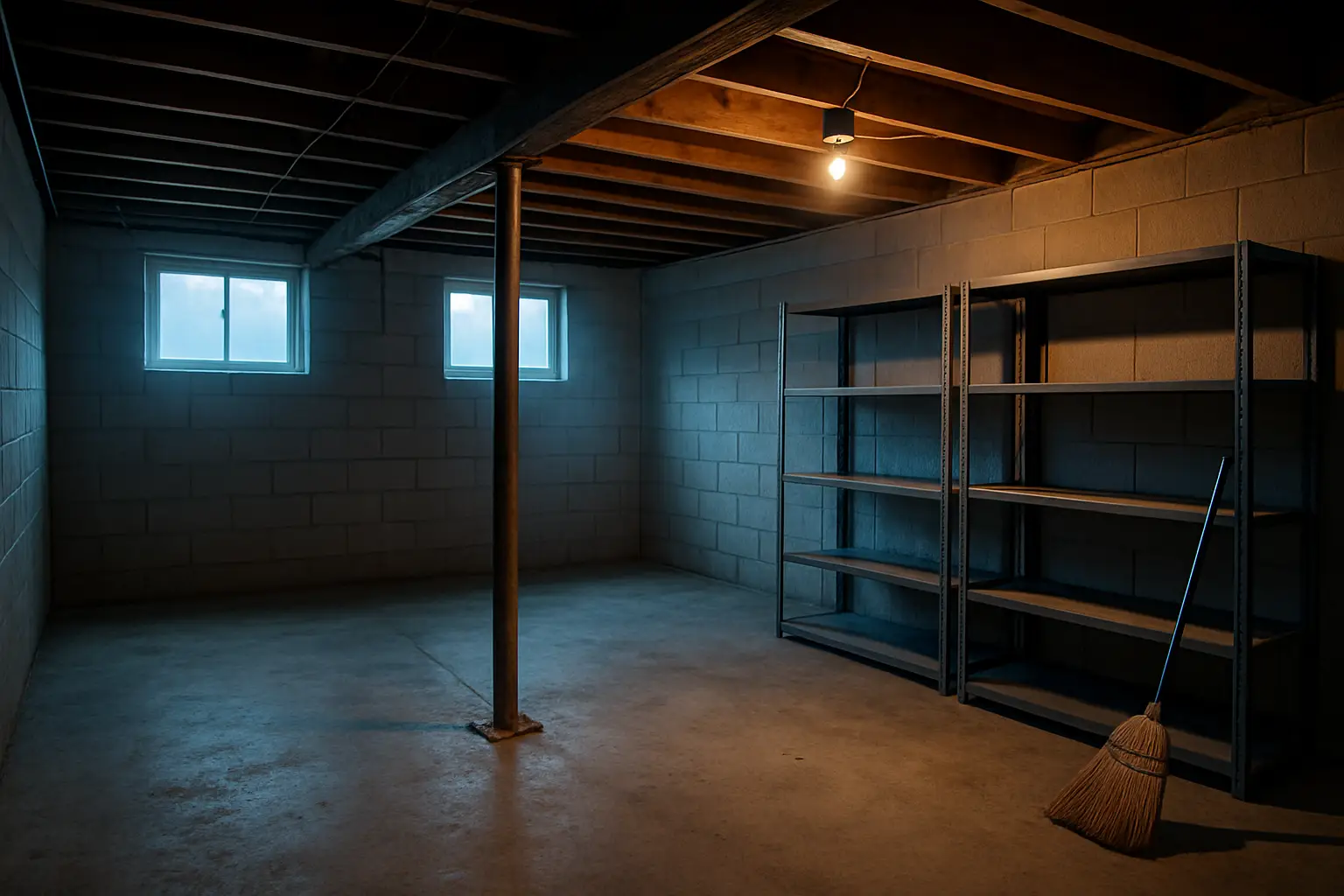
    Garage and basement work can produce less volume than a whole-house cleanup but still involve dense shelving, appliances, concrete pieces, or accumulated storage. A smaller container may fit the volume, while heavier materials may affect the choice. Describe the rooms and access points before scheduling delivery.

    Storage area cleanup
  • Yard Waste Dumpsters

    Branches, brush, sod, soil, and landscaping debris do not load like household waste. Wet spring conditions can make Appleton yards soft, and loose branches can consume space quickly. We discuss the material mix and placement surface so the container is accessible without damaging a lawn or blocking needed access.

    Outdoor debris
  • Home Renovation Dumpsters

    Kitchen, bathroom, flooring, drywall, cabinets, and framing scraps vary in both bulk and weight. Renovation debris should be loaded evenly rather than piled above the container rim. Share the rooms being changed, the materials involved, and the driveway approach so the size fits the actual demolition plan.

    Remodeling debris
  • Moving and Estate Cleanouts

    Moving and estate projects commonly include furniture, clothing, boxed goods, shelving, and unwanted household contents. Sorting reusable items before delivery can reduce the required size. We can also discuss whether a driveway, side yard, or alley position gives loaders enough room to work safely.

    Household transition
  • Roofing Debris Dumpsters

    Roofing material is dense, and shingles can become heavy long before a container looks full. The unit should sit close enough for safe loading but far enough from roof edges and equipment paths. Tell us the roof material, access route, and planned work area before selecting capacity.

    Roof replacement
  • Same-Day Dumpster Delivery

    Same-day delivery depends on container availability, access, placement conditions, and the type of material involved. It cannot be promised before those details are checked. If the project is already underway, provide the property location, desired placement, and debris type so the schedule can be assessed honestly.

    Urgent project support
  • Construction Site Dumpsters

    Construction sites need placement that supports workers, equipment, and changing phases of work. We discuss whether debris is light and bulky, dense and heavy, or mixed, then consider truck access and clearance. A site contact should identify the active work zone and safest container position.

    Building site service
  • Commercial Recurring Dumpster Service

    Commercial projects may need consistent container access as material accumulates across renovation, maintenance, or construction phases. We discuss loading patterns, site traffic, service frequency, and placement restrictions before setting a recurring plan. The right arrangement should not interfere with deliveries, customers, or emergency access.

    Ongoing commercial work

Additional options

Some projects need a different service

How scheduling works

A clear plan prevents placement problems

  1. Describe the project

    Start with the material, rooms or outdoor areas involved, and the work already completed. Mention shingles, soil, concrete, appliances, or other dense debris because weight can matter before volume does. This first description keeps the size discussion grounded in the actual Appleton job.

  2. Review the container size

    We compare the debris type and estimated volume with the available container tiers. Choosing smaller can be sensible for a compact cleanout, while a larger unit may prevent repeated handling during a remodel. We will say when the biggest option is unnecessary or when it is the safer choice.

  3. Confirm the placement

    Identify the driveway, side access, alley, parking area, or commercial work zone where the container should sit. Pre-delivery photo confirmation and scheduled placement checks help verify clearance, surface conditions, overhead hazards, and the truck approach before delivery is sent.

  4. Prepare the site

    Move vehicles, trailers, loose materials, and low branches from the planned route. Keep the placement surface reasonably firm and tell us about gates, slopes, overhead wires, snowbanks, or soft ground. A clear approach gives the driver a better chance to place the container as planned.

  5. Load within the plan

    Distribute material instead of concentrating weight at one end, keep debris below the rim, and separate items that require special instructions. If the project changes after delivery, explain the new material or access issue before adding it to the container.

Why local details matter

The job is more than dropping off a box

  1. Placement is checked before dispatch

    A driveway can look open from the street while a truck still lacks turning room, overhead clearance, or a firm approach. Helena Dumpster Rental uses customer-supplied site details and pre-delivery photo confirmation to evaluate the planned position. Scheduled placement checks help catch changes caused by snow, parked vehicles, landscaping, or active construction before delivery.

  2. Size follows material, not guesswork

    A container full of cardboard is not the same as one loaded with shingles, plaster, soil, concrete, or wet yard debris. We ask what the job will produce and how it will be loaded. That can prevent paying for unused space or discovering that a container is unsuitable after dense material has already been removed.

  3. Scheduling stays practical

    Availability is 24/7, Monday to Sunday, but arrival depends on the confirmed job details and workable access. We do not promise a timing window before checking the location, material, and placement plan. If a requested deadline cannot be supported, the useful answer is to explain the constraint and discuss a workable alternative.

Working standards

What customers can expect from the plan

  • Every container begins with a discussion of material, access, placement, and timing.
  • Before delivery, placement photos help identify clearance and surface concerns.
  • Drivers need a route that supports the truck without blocked gates or parked vehicles.
  • Dense debris should be disclosed before the container size is selected.
  • Loading must stay below the rim and remain distributed across the container.
  • Appleton weather can change driveway and lawn conditions between planning and delivery.
  • Licensed, bonded and insured service supports residential, commercial, and construction projects.
  • Availability is 24/7, Monday to Sunday, with scheduling based on confirmed site details.

Placement planning

Where an Appleton container can safely sit

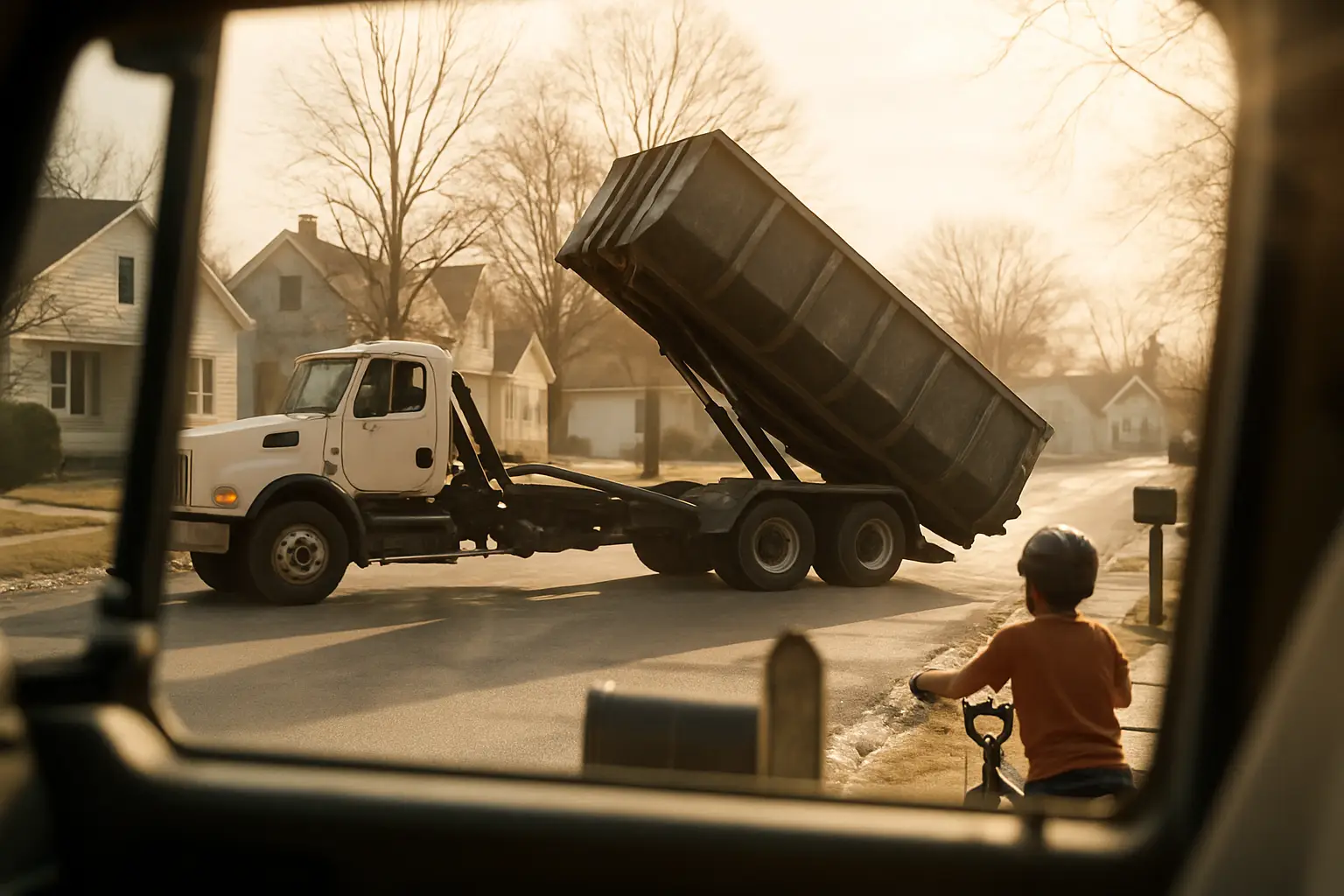
In Appleton, the easiest position is usually a firm private driveway with a straight approach and enough room for the delivery truck to align. That is not always the best or only option. Older neighborhoods may have narrow driveways, detached garages, mature trees, overhead lines, or alleys that limit access. Newer subdivisions can have tight setbacks, parked vehicles, and curbs that restrict the approach. A container on a public street usually needs town permission first, so tell us where it has to sit and we will explain what applies. Do not assume a lawn is suitable, especially after spring thaw or heavy rain. Snowbanks, soft shoulders, low branches, retaining edges, and sloped pavement should be identified before scheduling.

The truck needs more than the container footprint. It needs a clear route, turning room, overhead clearance, and a surface capable of handling delivery equipment without creating ruts or striking structures. Keep cars, trailers, basketball hoops, loose lumber, and other obstacles away from the planned path. Send current photos that show the approach, the proposed position, nearby wires, gates, and any slope. If the position changes after confirmation, explain that before delivery. A container that blocks a garage, hydrant, sidewalk, loading door, or construction access can slow the project and create a property issue. Placement checks are useful because Appleton conditions can change quickly with plowing, rain, thawing ground, or active work on the site.

Material and capacity

How Appleton homes change the size decision

Appleton has older homes with basements, detached garages, narrow side yards, and remodeling materials accumulated across several rooms. It also has newer housing where access may be better but driveway space can be limited by multiple vehicles or compact lots. A bathroom project may produce tile, drywall, cabinets, flooring, and fixtures, while a basement cleanout may involve furniture and boxes that take more space than weight. Roofing debris, plaster, masonry, soil, and wet yard waste are different because dense material can make a container heavy before it is full. Tell us what is being removed, not only how many rooms are involved. The material list usually gives a more useful size starting point than a vague description such as renovation.

Weight and volume should be considered together. Bulky, light debris needs room, while shingles, concrete, brick, soil, and saturated organic material need careful loading and may require specific guidance. In a multi-room remodel, separating cabinets, flooring, drywall, and framing scraps can reveal how quickly the container will fill. During a Wisconsin freeze and thaw cycle, outdoor projects also change as soil and yard debris hold moisture. Load evenly, keep material below the rim, and do not mix questionable items without asking first. If the project expands after delivery, reassess the container rather than forcing additional material into an unsuitable space. Choosing a smaller unit can save space when the job is compact, but underestimating dense debris creates avoidable handling problems.

Dumpster questions

Answers before you schedule delivery

What size dumpster do I need for a home cleanout?

For a home cleanout, the right size depends on furniture, boxes, appliances, cabinets, and other material volume. A smaller container may suit one room, while a larger home cleanout can require more capacity. In Appleton, tell us about basement stairs, garage access, and the rooms involved. Sort unusually heavy items and identify where the container can sit before scheduling.

Where can a dumpster sit on my Appleton property?

A dumpster can usually sit on a firm private driveway or another accessible surface approved for the property, provided the truck has a clear route and enough clearance. Street placement usually needs town permission first. Appleton snowbanks, soft spring ground, slopes, wires, gates, and low branches matter. Send current placement photos and move vehicles or loose materials from the approach.

Can a dumpster go on the street in Appleton?

Street placement may be possible, but it usually requires town permission before the container arrives. The exact requirements depend on the street, position, and surrounding access. Appleton curbs, sidewalks, parked vehicles, snow removal, and traffic visibility can affect the plan. Tell us the proposed location early and do not place a container in the street without confirming what applies.

How long can I keep a dumpster?

The rental period depends on the project schedule, container availability, and the agreed service plan. It is better to explain the expected loading period before delivery than to assume a fixed window. Appleton weather can interrupt roofing, landscaping, and exterior remodeling. Share the start date, likely completion date, and any access changes so pickup coordination does not conflict with the work.

What cannot go in a dumpster?

Some materials require separate handling or prior approval, including certain hazardous substances, liquids, chemicals, pressurized items, and other restricted waste. The answer depends on the material and local disposal requirements. Appleton renovation and garage cleanouts can uncover paint, fuel, batteries, or chemicals. Make a list of questionable items and identify them before loading rather than hiding them under ordinary debris.

Can I rent a dumpster for roofing shingles?

Yes, roofing debris can be handled with a suitable dumpster, but shingles are dense and can become heavy before the container is full. The roof size, material type, loading method, and placement all matter. Appleton roof work also needs a position that does not interfere with ladders or equipment. Tell us the roofing material and keep loading level and below the rim.

Do I need to be home for dumpster delivery?

You may not need to be home if the placement has been clearly confirmed and the truck route remains accessible, but that depends on the property and delivery plan. Gates, parked cars, changing construction areas, and narrow Appleton driveways can require someone to provide access. Send accurate photos, unlock needed gates, and keep the planned position clear.

Is a dumpster or junk removal better for my project?

A dumpster is usually better when you want to load debris yourself over several days, such as during demolition, remodeling, roofing, or a gradual cleanout. Junk Removal is better when items are already gathered and you want loading and hauling handled. Appleton homes with stairs or tight access may favor loading assistance. Describe the material, labor available, and project pace before choosing.

Plan the delivery

Bring the job details to the phone call

Helena Dumpster Rental can help narrow the container size and placement plan for Appleton work, from a single-room renovation to a commercial site. Availability is 24/7, Monday to Sunday. The useful conversation covers material, access, timing, and the safest position for the container.

Phone

(274) 215-4162

The call covers project material, container size, placement access, scheduling, and any site conditions that need review.

Availability

24/7
Monday to Sunday, day and night

Have this ready

  • Property location
  • Material being removed
  • Preferred placement area
  • Target project timing

Where we work

Appleton, plus Menasha, Neenah, Kaukauna, Oshkosh, Seymour, Brillion, New London, Omro, De Pere and Waupaca.

See the full service area list

Get the container plan right before work starts

Describe the debris, access route, and placement area to Helena Dumpster Rental. We will help compare the available sizes, identify site concerns, and explain what should be ready before delivery.

Click Here to Call(274) 215-4162

Local coverage

Dumpster service across Appleton and nearby areas

Helena Dumpster Rental is based in Appleton and also coordinates service for customers in Menasha, Neenah, Kaukauna, Oshkosh, Seymour, Brillion, New London, Omro, De Pere, and Waupaca. Placement, access, material, and scheduling still need to be reviewed for each property, especially where rural lanes, commercial traffic, narrow driveways, or soft ground affect delivery.

neighborhoods and districts we know in Appleton include Downtown Appleton, the Historic Central Neighborhood, Northland, Erb Park, and the Fox River corridor.

Downtown AppletonHistoric Central NeighborhoodNorthlandErb ParkFox River corridor

Dumpster Rental in nearby towns

Click Here to Call(274) 215-4162